Cutting Edge Technologies for
Cell- and Molecular Biosciences in the Nordics
Creating value for our customers, suppliers and staff, and ultimately for the public who benefits from scientific discovery.
Why Analyze DNA and RNA Together in a Single Cell?
Traditional methods only capture averages across populations of cells—masking critical biological diversity. This single-cell assay enables:
For oncology and blood cancers:
For engineered cell therapies:
Generate machine learning classifiers in label-free mode with VisionSort to
Download Cell Press Selection on the potential of AI for improving therapeutic development
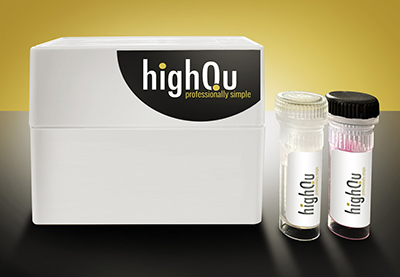
Magnetic bead based kit for normalization of DNA concentration
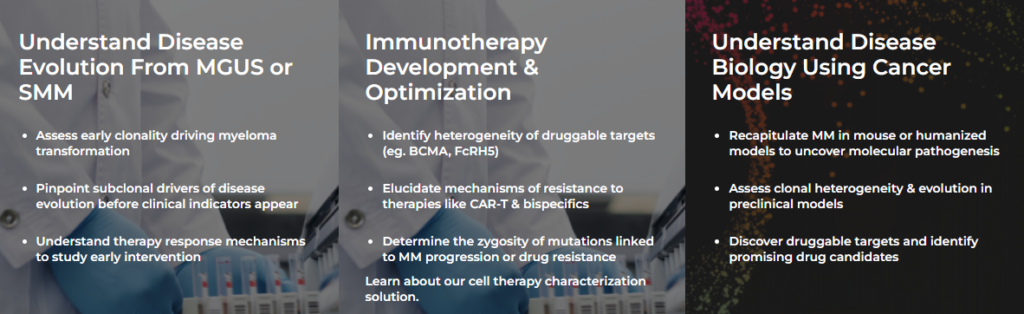
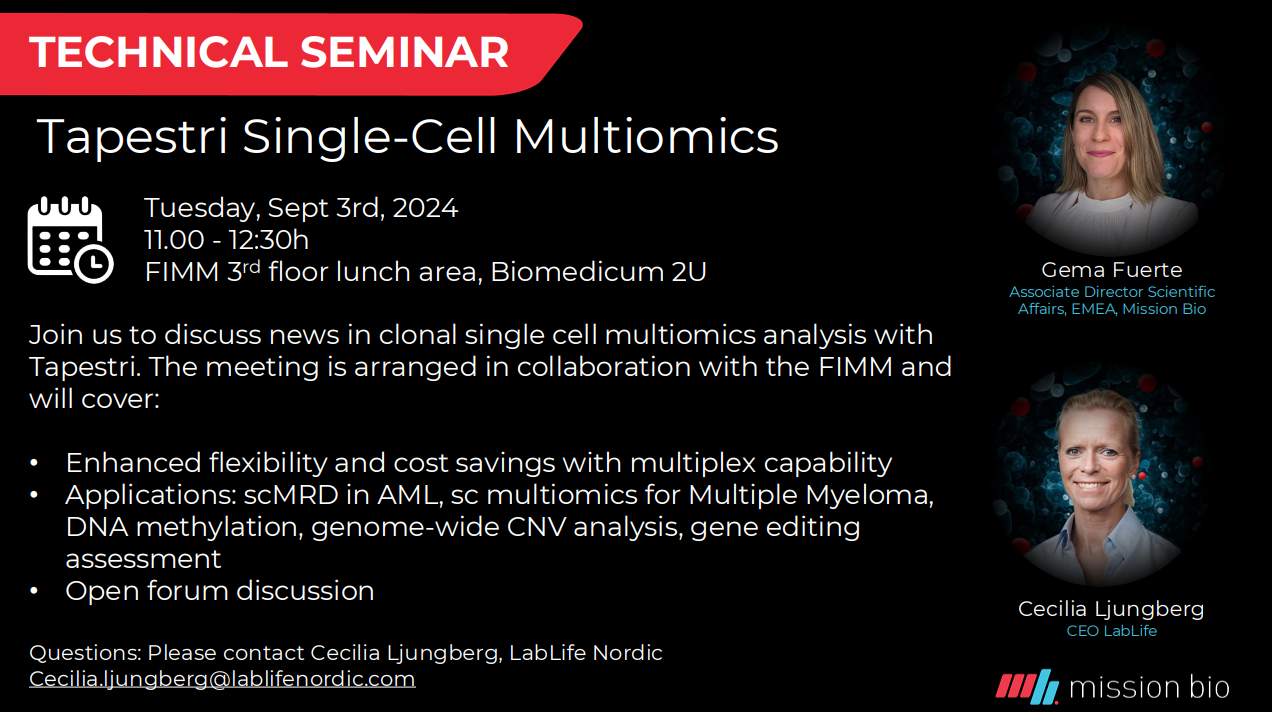
Tapestri single-cell multiomics analysis can transform how you understand the complexities of multiple myeloma and its precursor stages by integrating genomic, proteomic, and clonotypic subclonal assessment with single-cell resolution, all within a single assay.
The assay includes coverage of key driver and resistance genes, genome-wide copy number variations (CNVs), V(D)J clonotype, and cell lineage & immunotherapy markers.
Webinar: Single-Cell Identification of SMM Clones Driving Myeloma Progression and Therapy Resistance
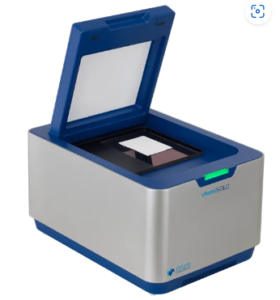
Based on the core technology Ghost Cytometry which enables supervised or unsupervised machine learning-based sorting, ThinkCyte offers the platform VisionSort.
The system provides cellular fingerprints with morphometric readouts in high resolution, on top of standard fluorescence-based sorting.
VisionSort is the perfect addition to conventional cell sorters, by providing unbiased, label-free cell characterization and sorting, supported by an embedded AI algorithm.
Biolegio offers a range of products, spanning from highly modified and specialised oligos, to standard DNA oligo synthesis.
Applications covered are sequencing, NGS, PCR, Realtime-PCR, SNP detection, genotyping, gene expression and mutation detection.
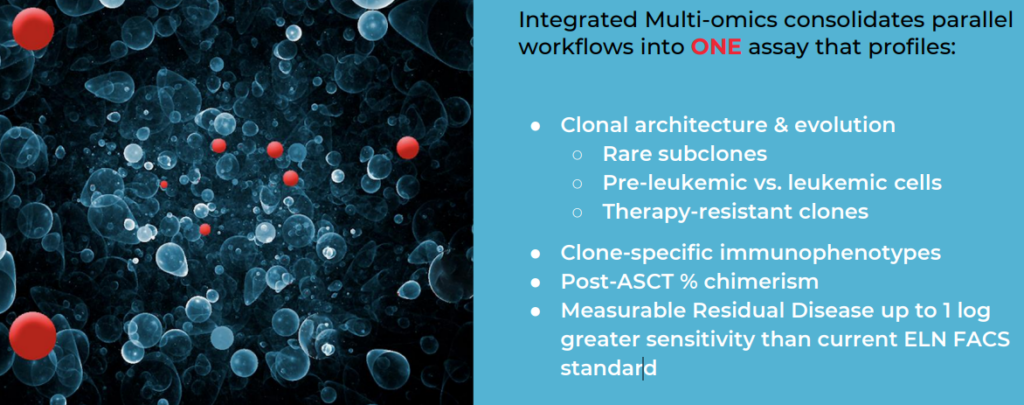
As the only solution to integrate genotypic and immunophenotypic assessment, the scMRD AML Multiomics Assay targets 40 genes for single-cell DNA sequencing based on current international AML MRD guidelines, such as European LeukemiaNet, and 17-plex antibody-oligonucleotide conjugate (AOC) panel curated for key biomarkers associated with AML MRD.
Through a seamlessly integrated workflow, the assay allows clinician-researchers to:
The Randox Acusera Serum Indices control is designed to be used to monitor an IVD instrument’s response in the detection of haemolyzed, icteric and lipemic (HIL) samples. This control can be utilised in laboratory interference testing to assist in improving error detection of pre-analytical errors affecting clinical chemistry testing.
This control provides a full range of clinically relevant testing levels, including a negative (-) and three positives (+, ++ & +++)
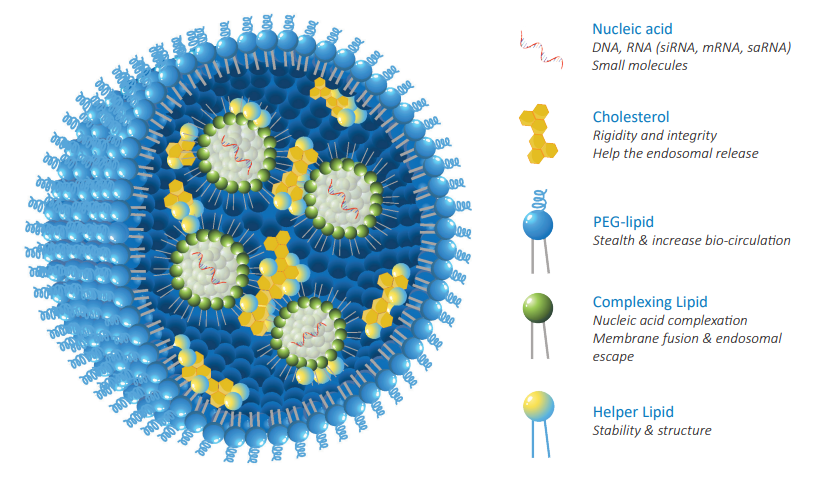
OZ Biosciences can support every stage of your mRNA-LNP production, from mRNA
synthesis to LNP formulation development, manufacturing and fill & finish.
For any of RNA, DNA or APIs encapsulation, you can provide us with your molecule of
interest and we will formulate it into LNP´s.
Faster and Easier Flow Cytometry Sample Prep, Synthetic mRNA for Research and Clinical Labs, Next Generation Cell Recovery for Immuno-Oncology etc.
Anti-Müllerian Hormone (AMH) Quality Control, RIQAS Anti-SARS-CoV-2 Serology EQA Programme, Molecular Controls for Infectious Disease etc.
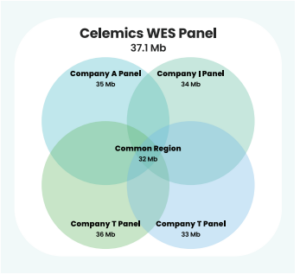
Tapestri Solution for Tumor Profiling in Single Cell, Ultimate Exonic Coverage, Liquid Biopsy Panels etc.
Direct PCR of Crude Samples without Template Purification, highQu PCR & qPCR Reagents Performance Excellence etc.
Electrospray ionization emitters, RAS proteins for oncology research, MagReSyn NTA beads etc.
Genie Purist: Dedicated for Ultrapure (Type I) Water, Operational Reliability and Ease-of-Use etc.
Tuesday January 20 2026 at 5:30 pm (CET)
Aromatase inhibitors (AIs) are used sequentially to treat ER+ breast cancer, yet resistance limits benefit. This session integrates WES from 11 patients across three treatment timepoints (Neoletexe trial) with single-cell DNA sequencing validation to reconstruct subclonal architectures. We’ll connect rising cancer cell fraction trajectories with reduced response, contrast exemestane- vs. letrozole-resistant clones, and highlight clinically actionable alterations—spanning PI3K/AKT/mTOR, CDK4/6, DNA repair, and immune checkpoint pathways.
Speakers:
Dr. Denise O’Mahony
Post-doctoral Researcher, Oslo University Hospital
Dr. O’Mahony is a geneticist whose PhD at the Cyprus Institute of Neurology and Genetics focused on breast cancer genetic epidemiology, including interpretation of BRCA1/2 VUS, novel methods for large case–control datasets, and Bayesian fine-mapping. Her postdoctoral work explores subclonal tumor reconstruction during aromatase inhibition, polygenic modeling for early risk and outcomes, and AI-driven pipelines for variant impact prediction. She is an active member of BCAC and serves on the International Genetic Epidemiology Society committee.
Professor, Director of Research and Head of the Division of Research and Development, Oslo University Hospital
Thursday November 20 2025 at 5.00 pm (CEST)
Acute myeloid leukemia (AML) remains one of the most heterogeneous hematologic malignancies, both at the genetic and phenotypic levels. Despite initial responses to therapy, relapse is frequent and largely driven by a rare population of leukemic stem cells (LSC), which persist in up to 70–80% of AML cases and act as a reservoir for disease propagation and resistance. Traditional bulk approaches have provided key insights into AML biology but inherently obscure the cellular diversity that shapes disease evolution and therapeutic escape.
Here, we leveraged single-cell proteogenomics to dissect the heterogeneity of LSC at unprecedented resolution. By combining high-dimensional genotyping with a custom-designed antibody panel, we were able to simultaneously capture mutational landscapes and phenotypic profiles of stem and progenitor compartments. This approach uncovered unexpected subclonal architectures, revealed co-existing immunophenotypic states within genetically defined clones, and highlighted rare but clinically relevant LSC subsets that would have been invisible using conventional methods.
Our work illustrates how single-cell proteogenomics can bridge the gap between genotype and phenotype in AML, offering a powerful framework to better understand LSC biology, monitor minimal residual disease, and ultimately inform precision therapeutic strategies.
Speaker:
Benjamin Podvin, PharmD, PhD student, is a medical biologist specialized in hematology at Lille University Hospital, France. His research focuses on single-cell multi-omics and translational applications in hematologic malignancies, with a particular interest in acute myeloid leukemia, chronic myeloid leukemia and multiple myeloma. He has been involved in the development of innovative single-cell proteogenomic approaches to study leukemic stem cell heterogeneity and resistance mechanisms. Alongside his clinical and research activities, he also teaches hematology and molecular diagnostics to medical students.
Wednesday November 12 2025 at 5.00 pm (CEST)
See how single-cell DNA + DNA methylation + surface protein profiling with scTAM-seq (on Tapestri) dissects treatment response in MDS/AML using sequential patient bone-marrow samples collected during targeted therapy.
Speaker:
Tuesday September 23 2025 at 5.00 pm (CEST)
Watch here
Clonal hematopoiesis (CH) has emerged as a critical factor in cancer biology, yet its role in diffuse large B-cell lymphoma (DLBCL) remains unclear. Does CH directly drive lymphoma initiation, or does it subtly shape the tumor-microenvironment?
In this webinar, Dr. Deborah Piffaretti will present breaking DLBCL data insights from clinical trials and preclinical models that combine advanced single-cell multiomic sequencing with functional studies. The results challenge existing assumptions, showing that CH, while prevalent, may have limited impact on DLBCL pathogenesis.
This session will not only provide clarity on the biological significance of CH in lymphoma but also highlight how single-cell multiomic methods can dissect complex tumor-microenvironment interactions.
We understand our customers’ needs and know how to operate flexibly in a quickly changing but always demanding market.
10 000 +
Products
Instruments and reagents based on innovation for improved laboratory methods.
1 000 +
Satisfied Customers
Networking with 1000´s of individual scientists in Denmark, Finland, Norway, Sweden, Iceland and Baltic countries.
20 +
Years Of Experience
We know how to operate flexibly in a quickly changing but always demanding market.
We are looking for enthusiastic sales professionals who enjoy working in the dynamic life science market.